Map objectives · 6 min read
The Tormentor guide
Know when to move, survive the damage, and turn the reward into your next advantage.
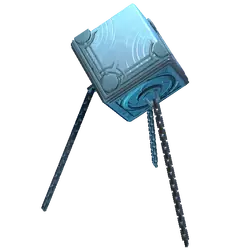
Tormentor at a glance
Standard matchesTake it when your team can arrive together, survive, and leave safely. The spawn timer is a reason to check the map—not a command to start.
Make the call
Clock
Verify the live state and decide when the team must begin moving—not when everyone should automatically hit.
Access
Connect heroes, lanes, vision, route, resources, damage, and survival to the active side.
Convert
Give the reward a next action, preserve the lanes, and leave before the response reverses the exchange.
Objective rule: name who arrives, how the team survives, what the reward changes, who can interrupt, and where everyone goes next.
Check timer and location before moving
Timer state
Use the current minimap timer and recent kill evidence. “Available soon,” “possibly active,” and “confirmed visible” support different levels of commitment.
Active side
Patch 7.41 switched the side preference. Read the live icon and day or night state instead of routing to the location remembered from an older map.
Terrain and access
Inspect current stairs, low ground, Twin Gate access, Lotus Pool area, nearby Watcher, trees, vision edges, and paths before assuming a safe approach or retreat.
Observed state
A timer cue cannot confirm that Tormentor is present, being attempted, recently killed, or safely reachable. Preserve uncertainty until the client or your team provides evidence.
DotaSense can provide an optional audio and visual Tormentor cue and a manually started respawn countdown. It does not read the minimap, detect a Tormentor kill, know the active side, inspect heroes, calculate survival, identify the reward, or judge enemy response.
Plan the route before moving
Fix the waves
Identify which lane reaches a tower, reveals movement, requires a defender, or creates the safest window for several heroes to leave the map.
Bound the missing area
Use current vision, shown heroes, teleports, recent movements, Watcher state, summons, and objective pressure to price likely interruption.
Preserve formation
Choose who tanks exposure, who supplies damage or sustain, who watches the entrance, and who must remain free to cancel the attempt.
Leave with purpose
Preselect the lane, farm route, ward line, reset, item delivery, fight, or next objective so the team does not linger in a revealed corner.
Bring enough damage and sustain
Tormentor’s barrier, regeneration, reflection, area damage, death effect, scaling, and damage interactions have changed. Read current tooltips and test the exact lineup after relevant patches.
What damage actually connects?
Include attack range, spell eligibility, summons, illusions, damage type, barriers, uptime, movement, and resources required to keep dealing damage.
Who absorbs the return?
Watch how current reflection or shared damage reaches nearby units and whether one fragile hero, summon plan, or positioning choice creates the failure.
What keeps the attempt stable?
Price health, mana, healing, regeneration, barriers, mitigation, dispels, saves, cooldowns, and the health floor needed for an enemy arrival.
How long are heroes exposed?
Compare the observed kill pace with missing enemies, lane loss, nearby objectives, teleports, concealment, and the time required to reset afterward.
- Test in a controlled setting after a major mechanic, hero, item, or map change.
- Record the exact lineup state: levels, items, health, mana, summons, talents, facets, innates, and relevant cooldowns.
- Change one variable between attempts so the result teaches a repeatable threshold.
- Keep a cancel condition for unsafe health, lost vision, delayed finish, or a required spell being spent.
Give the current reward a reachable job
Read the current reward behavior in the client and official patch notes. Then evaluate what the team can actually do with the result rather than valuing the objective only because it exists.
Immediate power
Does the reward complete a spell, save, farming, initiation, siege, survival, or information job that the receiving hero can use now?
Team economy
Compare the reward with lane farm, camps, support movement, consumables, item timings, and health or mana spent to secure it.
Map conversion
Can the team turn the result into a safer fight, structure, ward line, farm area, defense, reset, or pressure route before opponents adapt?
Opportunity cost
Which lane, Roshan setup, tower pressure, farm cycle, Smoke, defensive position, or hidden movement becomes weaker while the team commits?
Price the first enemy response, then define the exit
Who can reach the pit?
Track shown and missing heroes, teleports, Twin Gate paths, movement spells, Smoke, summons, wards, nearby lanes, and whether the enemy can arrive before the finish.
What can they take elsewhere?
Include towers, Roshan, lanes, deep vision, farm areas, couriers, map control, and a fight against the teammate who did not join.
What ends the attempt?
Cancel for a dangerous reveal, lost entrance, unsafe health, spent sustain, slower-than-tested damage, approaching response, or a lane that can no longer be traded.
Where can the team separate safely?
Name the retreat, teleport, lane assignments, healing route, vision task, and next formation before everyone is low, revealed, and deciding at once.
Use Tormentor calls that teammates can act on
“Tormentor soon; push bottom, show two heroes, then meet at the live side.”
“Icon shows this side; we have damage and sustain, but cancel if their catch hero disappears.”
“You watch the lane entrance; I tank the first contact; keep the save for low health or interruption.”
“Reward secured; support wards the route, cores split to lanes, no second fight until reset.”
A useful call contains state + action + owner + cancel condition. “Tormentor?” asks the team to solve all four while already moving.
Find what went wrong
Timer became command
The cue fired and the team moved without checking side, lanes, lineup, reward, or response.
Old map memory
The route targeted a side, entrance, high ground, or nearby objective from an earlier patch.
Damage-only test
The lineup could finish in isolation but not while preserving health, mana, cooldowns, formation, or lane control.
No entrance owner
Everyone hit Tormentor, so nobody supplied information or interrupted the enemy approach.
Reward without a job
The team secured value that did not change its next fight, item, lane, farm route, defense, or objective.
No exit
Low, revealed heroes lingered together and gave the opponent a clearer second action than the reward created.
How Tormentor has changed
Patch 7.38 changed the baseline
Valve’s 7.38 notes moved the first normal-match spawn to 15:00, changed the map to one active Tormentor, tied its side to the day and night cycle, and changed scaling and rewards.
Patch 7.39 moved the first spawn to 20:00
Valve’s 7.39 notes increased the first spawn time from 15:00 to 20:00. The quick reference above reads subsequent changes from Valve automatically.
Patch 7.40 added live client help
Valve’s 7.40 notes added a Tormentor timer near the minimap that can be pinged and made the minimap icon reflect where Tormentor is or will spawn.
Patch 7.41 changed side and terrain
Valve’s 7.41 notes switched the spawn preference, moved the locations closer to Lotus Pools, and reworked the surrounding elevation and paths.
A focused Review one attempt
- Start before the call. Capture the live timer, side, phase, lanes, visible heroes, vision, health, mana, items, and intended reward job.
- Mark the movement decision. Note who left a lane, who arrived late, what information changed, and when the team could still cancel.
- Measure the attempt. Record first contact, health distribution, damage pace, spells spent, entrance coverage, interruption, finish, and reset.
- Price the whole exchange. Include reward, deaths, lanes, structures, Roshan access, farm, vision, resources, and the enemy’s next action.
- Compare two options. Start, delay for a wave, bring another hero, change formation, force information, trade elsewhere, or skip.
- Create one trigger. Examples: “assign an entrance owner,” “read the live side,” or “cancel below the tested health floor.”
Dota 2 Common questions
When does the first Tormentor spawn?
The latest checked first normal-match spawn is 20:00. Use the live timer for the current match and mode. Source and refresh status appear at the top of this guide.
Which side is Tormentor on?
Read the current minimap icon and day or night state. Patch 7.41 switched the side preference and changed the nearby terrain, so an old static map is not authoritative.
When should my team take Tormentor?
When the team can arrive, survive, finish, use the reward, and leave before the enemy response or lane cost becomes larger than the conversion.
How do I test whether our lineup can kill it?
Use current tooltips and a controlled test. Record the exact levels, items, health, mana, summons, damage delivery, reflection, sustain, mitigation, positioning, finish time, and health floor.
What does DotaSense automate?
DotaSense can provide an optional audio and visual Tormentor cue and a manually started respawn countdown. It does not read the minimap, detect a kill, know the active side, inspect heroes, calculate survival, identify the reward, or judge enemy response.
Practice this with DotaSense Tools & community
Keep the Tormentor window visible
Use an optional audio and visual cue and a manually started respawn countdown while you make the call from the live match.
Guide content reviewed under the DotaSense timing-page process.Free core · Windows 10/11 · No account required